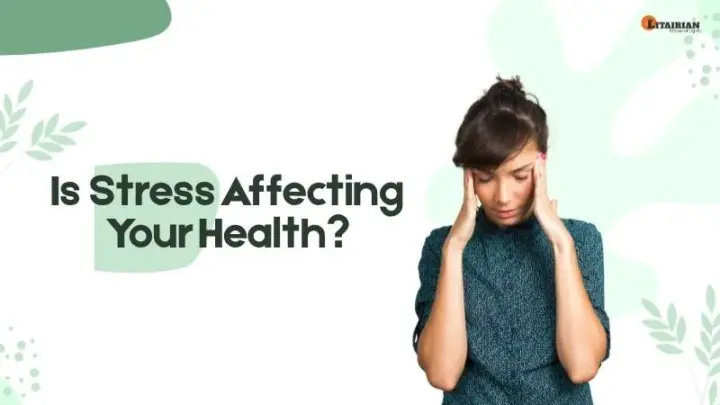
- Your Body Often Notices Stress Before Your Mind Does
- Mental Symptoms Can Feel Just as Physical
- Sleep Problems Are Often One of the First Warning Signs
- Chronic Stress Changes Physical Health Over Time
- Small Daily Habits Matter More Than Occasional “Self-Care”
- Financial and Travel Stress Affect People More Than They Admit
- Burnout Rarely Happens Overnight
- Sometimes Stress Hides Behind Busyness
- Final Thoughts
Stress has become strangely normal.
People joke about burnout like it is a personality trait now. Constant exhaustion gets treated almost like evidence of ambition. Being overwhelmed somehow became socially acceptable as long as productivity still continues underneath it all.
But the body keeps score eventually.
Even when people try to ignore it.
Stress does not always arrive dramatically, either. Sometimes it builds slowly through poor sleep, tension headaches, irritability, brain fog, digestive problems, low energy, or simply feeling mentally exhausted all the time without fully understanding why.
The difficult part is that many people stay stressed for so long that they stop recognising what calm is supposed to feel like.
Your Body Often Notices Stress Before Your Mind Does
This surprises people.
Someone may believe they are “handling everything fine” while their body quietly disagrees in increasingly obvious ways.
Common physical signs include:
- Headaches
- Muscle tension
- Chest tightness
- Fatigue
- Poor sleep
- Digestive issues
- Increased illness
- Rapid heartbeat
- Jaw clenching
- Changes in appetite
Stress affects multiple systems simultaneously because the body remains stuck in a low-level survival state longer than it was designed for.
That constant pressure adds up gradually.
Mental Symptoms Can Feel Just as Physical
Stress does not only affects mood.
It affects thinking itself.
People under prolonged stress often experience:
- Difficulty concentrating
- Forgetfulness
- Irritability
- Anxiety
- Emotional numbness
- Low motivation
- Feeling overwhelmed constantly
Even small tasks start feeling heavier because the brain stays overloaded without enough recovery time.
Sometimes people assume they have become “lazy” or unmotivated when they are actually mentally exhausted.
There is a difference.
Sleep Problems Are Often One of the First Warning Signs
Stress and sleep damage each other constantly.
Stress makes sleep harder. Poor sleep increases stress sensitivity. Then the cycle keeps feeding itself.
You might notice:
- Difficulty falling asleep
- Waking during the night
- Feeling tired despite sleeping
- Racing thoughts before bed
- Restless sleep
A tired nervous system struggles to recover properly, which affects focus, mood, immune health, and energy levels during the day.
Eventually, even small problems start feeling emotionally larger because exhaustion reduces resilience.
Chronic Stress Changes Physical Health Over Time
This is where stress becomes more serious.
Long-term stress has been linked to increased risk of:
- High blood pressure
- Heart problems
- Digestive disorders
- Weakened immunity
- Anxiety disorders
- Depression
- Chronic inflammation
The body handles short-term stress reasonably well.
It struggles far more with constant stress that never fully switches off.
Modern life, unfortunately, encourages exactly that kind of prolonged pressure.
Small Daily Habits Matter More Than Occasional “Self-Care”
People often imagine stress management requires dramatic lifestyle changes.
Usually, it starts smaller.
Things like:
- Sleeping consistently
- Walking regularly
- Spending less time online
- Taking proper breaks
- Eating regularly
- Reducing constant multitasking
- Talking openly about stress
- Spending time outside
Simple habits repeated consistently usually help more than occasional “reset weekends” followed by returning immediately to unhealthy routines again.
Financial and Travel Stress Affect People More Than They Admit
Money worries and travel pressure quietly create enormous mental strain for many people.
Unexpected expenses, poor planning, rushing, currency concerns while travelling, or financial uncertainty can all increase anxiety levels significantly.
Preparing practical details ahead of time often reduces unnecessary stress later. Travel services help travellers organise currency and budgeting information before trips, which can ease some of the pressure that comes with international travel planning, like Finland currency. Find out more.
Reducing avoidable stress matters because the nervous system does not really distinguish between “small” stress and “important” stress as neatly as people think.
Burnout Rarely Happens Overnight
Burnout usually develops gradually.
People push through exhaustion repeatedly until functioning starts feeling mechanical rather than sustainable.
Warning signs often include:
- Emotional detachment
- Constant fatigue
- Cynicism
- Loss of motivation
- Feeling mentally flat
- Increased irritability
- Difficulty recovering even after rest
The dangerous part is that high-functioning people often ignore these signs longest because externally they still appear productive.
Internally feels different.
Sometimes Stress Hides Behind Busyness
People stay busy partly because busyness distracts them from noticing how overwhelmed they actually feel.
Constant stimulation leaves very little room for reflection.
Then, eventually, the body forces attention anyway through exhaustion, illness, anxiety, or emotional shutdown.
Rest is not laziness.
Recovery is part of functioning properly.
Final Thoughts
Stress affects health far more deeply than many people realise because it influences both the body and mind simultaneously over long periods of time.
The signs are often subtle at first: poor sleep, low energy, tension, irritability, brain fog, and emotional exhaustion. But ignored long enough, stress eventually impacts physical health, relationships, and overall quality of life more seriously.
Pay attention to what your body has been trying to say quietly underneath the noise.
Because feeling constantly overwhelmed should not become your definition of normal forever.

About The Author: Soham Kumar
About The Author: Soham Kumar
Hi! I'm Soham Kumar, a dynamic 21-year-old individual with a passion for exploration, creativity, and wellness. As an avid traveler, I seek adventure in discovering new cultures and cuisines, enriching my life with diverse experiences. My love for staying fit not only fuels my physical well-being but also embodies my commitment to a healthy lifestyle. With a keen eye for design and innovation, I excel as a website designer, crafting digital spaces. As a professional tarot card reader, I tap into the mystical realms to offer guidance and insight to those seeking clarity and direction in their lives. Beyond my digital endeavors, I am also a skilled cricketer, having showcased his talent in various clubs across Delhi. I am inspiring others to embrace life's adventures with open arms.