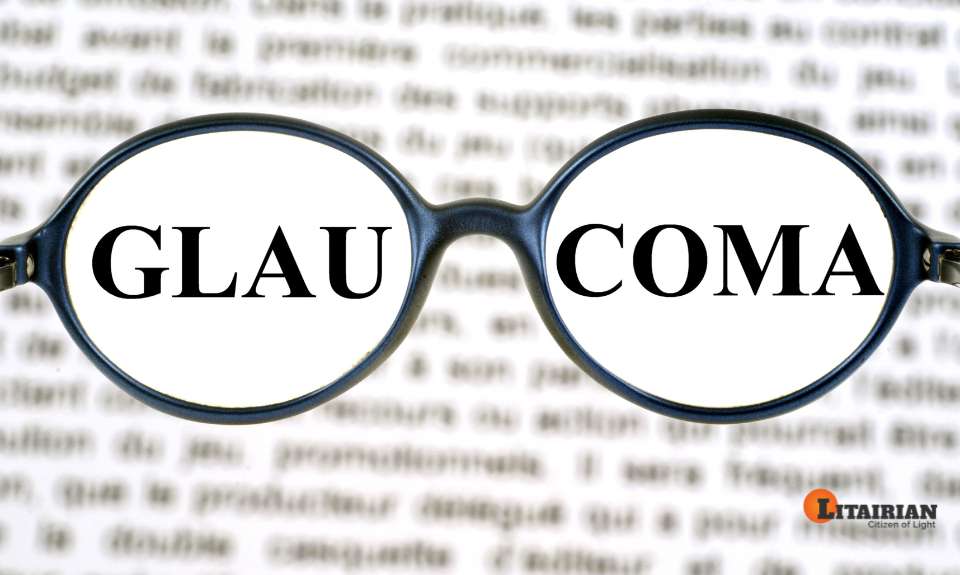
Glaucoma is a prevalent eye condition that can lead to irreversible vision loss if left untreated. Understanding the symptoms and causes of glaucoma is crucial for early detection and effective management of the disease. In this article, we will delve into the various aspects of it, including its different types, common symptoms, risk factors, diagnostic procedures, treatment options, as well as lifestyle modifications and preventive measures that can help individuals maintain healthy vision and reduce the risks associated with this sight-threatening condition.
Overview Of Glaucoma
Definition Of Glaucoma: It is like that sneaky friend who overstays their welcome without making a sound – a group of eye conditions that damage the optic nerve and lead to vision loss. Sneaky indeed.
Importance Of Early Detection: Detecting glaucoma early is key, like finding out your favorite show dropped a surprise season – it can help prevent vision loss and keep your eyesight in the limelight.
Types Of Glaucoma
Open-Angle Glaucoma: Think of this as the slow-and-steady type – it develops over time, causing a gradual increase in intraocular pressure. Sneaky like a slow-motion video of a snail.
Angle-Closure Glaucoma: This one is like a surprise party – sudden and intense. It happens when the drainage angle of the eye gets blocked, leading to a rapid rise in eye pressure. Talk about a plot twist.
Secondary Glaucoma: Here we have the sidekick type, often caused by other eye conditions or health issues. It’s like glaucoma’s buddy that tags along uninvited.
Common Symptoms Of Glaucoma
Gradual Loss Of Peripheral Vision: Imagine your vision slowly playing hide-and-seek, starting from the edges and working its way inwards. Not the kind of disappearing act you want.
Blurred Vision: It’s like watching TV through foggy glasses – things aren’t as clear as they used to be, making everyday tasks a bit more challenging.
Halos Around Lights: Feeling like you’re in a ’70s disco with those funky halos around lights? It might be hitting you with some visual effects.
Risk Factors And Causes Of Glaucoma
Elevated Intraocular Pressure: Picture your eye as a balloon being slightly overinflated – increased pressure inside can damage the optic nerve, leading to the glaucoma party you never wanted.
Family History Of Glaucoma: In this case, genes are like that family heirloom you didn’t ask for – if your relatives have glaucoma, you might be more likely to join the eye-trouble club.
Age-Related Factors: As we age, our bodies throw surprise parties of their own – with glaucoma being more common in older adults, it’s like your eye’s way of reminding you that time keeps on ticking.
Diagnosis And Treatment Options
Eye Exams and Diagnostic Tests: When it comes to glaucoma, early detection is key. Your eye doctor may perform various tests like tonometry, visual field testing, and optic nerve imaging to diagnose the condition. These tests help determine the level of damage and guide treatment decisions.
Medication And Surgical Treatments
Treatment options for this include eye drops, oral medications, laser therapy, and surgical procedures. Eye drops are commonly prescribed to reduce intraocular pressure, while surgeries like trabeculectomy or minimally invasive glaucoma surgeries (MIGS) may be recommended in advanced cases.
Lifestyle Management For Glaucoma
Importance Of Regular Exercise: Exercise can help improve blood flow to the optic nerve and lower intraocular pressure, benefiting those with this. Activities like brisk walking, yoga, or swimming can be great choices. Just remember to avoid activities that involve head-down positions or heavy lifting.
Dietary Considerations: Maintaining a healthy diet rich in antioxidants, omega-3 fatty acids, and nutrients like vitamins C and E may support eye health. Foods like leafy greens, fish, nuts, and citrus fruits can be beneficial for individuals with this.
Preventive Measures And Screening Recommendations
Educational Outreach On Glaucoma: Raising awareness about glaucoma and its risk factors is crucial in early detection. Educational campaigns can help individuals understand the importance of regular eye examinations and prompt treatment to prevent vision loss.
Regular Eye Check-ups for At-Risk Groups
Individuals over 60, those with a family history of glaucoma, or individuals with medical conditions like diabetes should have regular eye check-ups. Early detection and management can help preserve vision and prevent complications associated with it. In conclusion, raising awareness about glaucoma, recognizing its symptoms, and addressing risk factors through regular screenings and proper treatment can significantly impact the preservation of vision and overall eye health. By staying informed and proactive, individuals can take control of their eye health and work towards preventing the progression of it. Remember, early detection and intervention are key in managing this condition and protecting the precious gift of sight.

About The Author: Soham Kumar
About The Author: Soham Kumar
Hi! I'm Soham Kumar, a dynamic 21-year-old individual with a passion for exploration, creativity, and wellness. As an avid traveler, I seek adventure in discovering new cultures and cuisines, enriching my life with diverse experiences. My love for staying fit not only fuels my physical well-being but also embodies my commitment to a healthy lifestyle. With a keen eye for design and innovation, I excel as a website designer, crafting digital spaces. As a professional tarot card reader, I tap into the mystical realms to offer guidance and insight to those seeking clarity and direction in their lives. Beyond my digital endeavors, I am also a skilled cricketer, having showcased his talent in various clubs across Delhi. I am inspiring others to embrace life's adventures with open arms.