Alcohol Isn’t The Self-Care You Think It Is

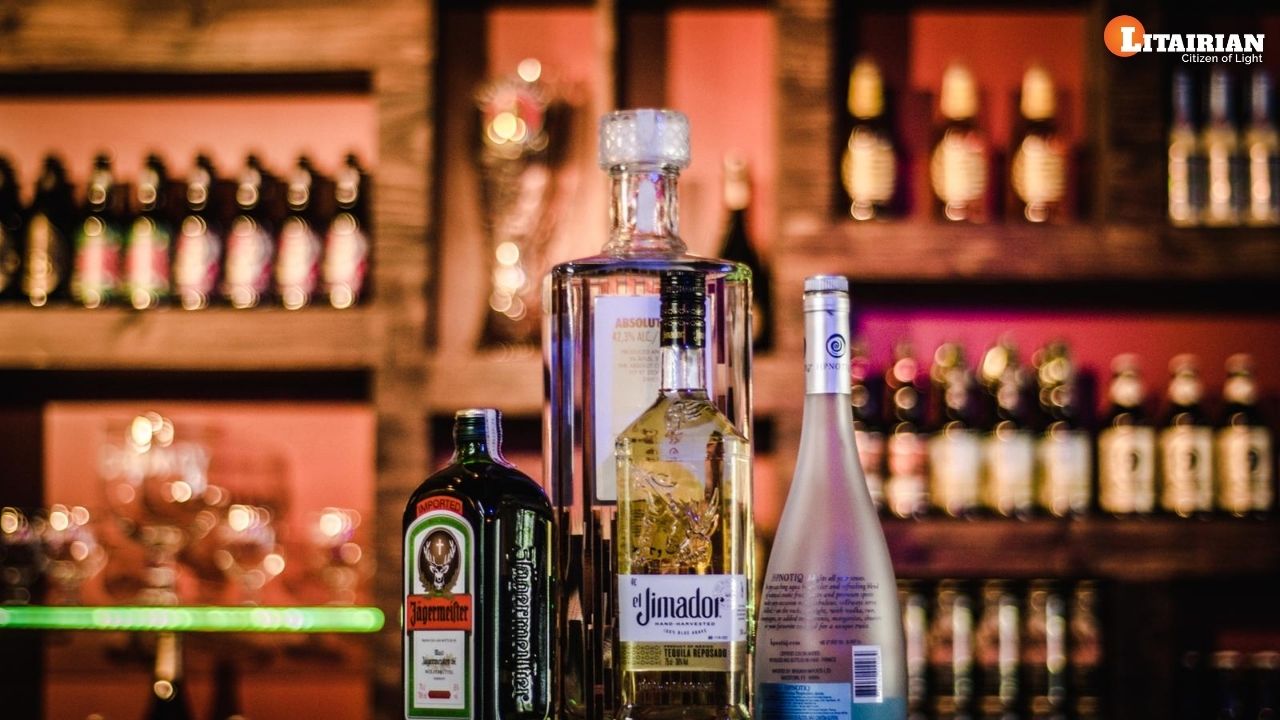
Let’s talk about wine. Not the tasting flights in Napa or the flirty stemware you registered for—just the nightly glass you pour after bedtime stories. Or the second one, you top off before finishing the laundry. Or the third, you sneak when your partner’s in the other room watching a show. For a lot of women, it doesn’t start with rock bottom. It starts with a whisper: You’ve earned this.
We’ve built a culture around drinking that dresses itself up in pastel memes and faux empowerment. A glass of Sauvignon Blanc has somehow become shorthand for self-care, and rosé jokes are stitched into throw pillows like they’re harmless. Meanwhile, beneath that Instagram-ready sheen, something darker is taking root. Female alcoholism is rising fast—and it’s not just among the women you’d expect. It’s professional women, mothers, caretakers, and perfectionists. It’s the ones who keep it together so well that no one even suspects anything’s off.
Alcohol Is Sold As Freedom, But It’s Acting Like A Cage
There’s a reason alcohol feels like a lifeline. For many women, it softens the sharp edges of stress. It gives you that fleeting, buzzing pause in a day that hasn’t belonged to you since 6 a.m. It quiets the never-ending background noise of mental tabs—kids, bosses, body image, aging parents, loneliness, marriage tension, whatever else you’ve stacked in your emotional inbox.
That’s the bait. What follows is a trap. Because your tolerance goes up, your anxiety gets worse, and suddenly that glass isn’t taking the edge off anymore—it’s making the edges sharper. And you start drinking not to relax, but to avoid unraveling. You can still show up for work, still get dinner on the table, still post that smiling selfie. But you start needing it. And once you need it, you’re no longer the one in charge.
Here’s the thing: women metabolize alcohol differently. Our bodies carry more fat, less water, and process booze more slowly, which means we get drunker faster and stay drunk longer. That also makes us more vulnerable to long-term damage—heart issues, liver disease, breast cancer. And when the drinking stops, if you’ve been using alcohol heavily, withdrawal symptoms can hit with a fury most people don’t expect: shaking, insomnia, anxiety, sweating, racing heart, even seizures. But most women don’t talk about that part. We downplay it. We call it “just a rough day.” Until it’s every day.
Why Women Struggle To Say “I Think I Have A Problem”
Shame. That’s the loudest voice in the room. Women are socialized to be pleasant, composed, and above all, functional. When you start slipping behind the curtain—sneaking drinks, lying about how much you’ve had, waking up sick or hazy—it’s easier to stay silent than admit something might be wrong. After all, everyone drinks. It’s not like you’re passed out on the floor. Right?
But alcoholism in women often doesn’t look like the stereotype. It’s subtle. It’s concealed. It’s the woman who doesn’t miss meetings, who still volunteers, who’s quietly suffering while keeping up appearances. And because of that, doctors miss it.
Partners overlook it. Friends say things like, “You? No way.” That disbelief makes it easier to hide and harder to confront.
And there’s the rub—because the longer it’s hidden, the stronger it gets. Alcohol carves out neural shortcuts in your brain. It builds habits into muscle memory. And once that switch flips, it’s not about willpower anymore. It’s about chemistry.
What Recovery Actually Looks Like When You’re A Woman
If you’ve been drowning in guilt over your drinking, the idea of getting sober can feel almost laughably impossible. Who watches the kids? What will your partner say? What will you say when you have to sit in a circle and talk about it? It’s no wonder so many women convince themselves they’ll just “cut back.” But the truth is, moderation doesn’t work once the wiring has changed.
What does work—what’s been proven to work—is finding care designed for your life, your body, your brain. A women’s only rehab doesn’t just throw you into a group with strangers and hope you bond. It meets you where you are. It understands the shame spiral. It acknowledges how hard it is to stop performing. And it offers treatment without judgment, without condescension, and without the assumption that you’re some kind of lost cause.
That matters. Because recovery isn’t just about not drinking. It’s about excavating the reasons you drank in the first place. It’s about unlearning what society taught you—that coping means consuming, that stress is your personal failure, that your pain isn’t valid unless it’s dramatic. The right kind of care lets you start fresh without pretending the damage never happened.
You Don’t Have To Break Down To Get Help
One of the most dangerous myths about addiction is that you have to hit rock bottom before you earn the right to recover. That idea keeps people sick. It keeps women sick. Because many of us will contort our lives in unbelievable ways to avoid the spectacle of collapse. We’d rather hold everything up by a thread than risk admitting we’re struggling.
But what if it didn’t have to be that dramatic? What if you could get help when the nights start to blur and the mornings feel shameful—not just when you’ve lost your job or your family? What if recognizing the early signs of a problem was enough? What if that quiet internal nudge—This isn’t who I want to be—was reason enough to act?
You don’t need to wait until the consequences stack up like evidence in a trial. You don’t need to lose everything to find something better. And you definitely don’t need to prove how bad it got in order to be taken seriously.
Sober Isn’t Boring—It’s A Power Move
Let’s clear this up: sobriety isn’t beige. It’s not a punishment. It’s not something you settle for because you messed up. It’s the opposite. Sobriety is a reclamation. Of clarity, of sleep, of energy, of relationships. It gives you your mornings back. It gives you your memory back. And it gives you a sense of peace that alcohol only ever pretended to offer.
More women are waking up to this reality. Quietly at first, then out loud. They’re ditching the wine-soaked playdates and reevaluating what they want their lives to actually feel like. They’re rejecting the lie that alcohol makes life more fun or manageable. They’re finding connection, purpose, and actual joy that doesn’t come with a hangover.
It’s not about perfection or morality. It’s about honesty. If alcohol is making your life smaller, not bigger, it might be time to step away from the noise and ask yourself what you really want. Because it’s not weak to stop. It’s strong to choose something better before you’re forced to.
Let That Be Enough
You don’t need to tell anyone right now. You don’t need to label yourself or make a big declaration. You can just notice. You can be quietly aware that something feels off—and decide that you deserve more. Whether you’ve been white-knuckling your way through the evenings or just starting to question the role alcohol plays in your life, there’s room to change.
Not because you’re broken. But because you’re done pretending it helps.