
Holistic Health Isn’t One-Dimensional: Blending Spiritual Practices With Practical Care
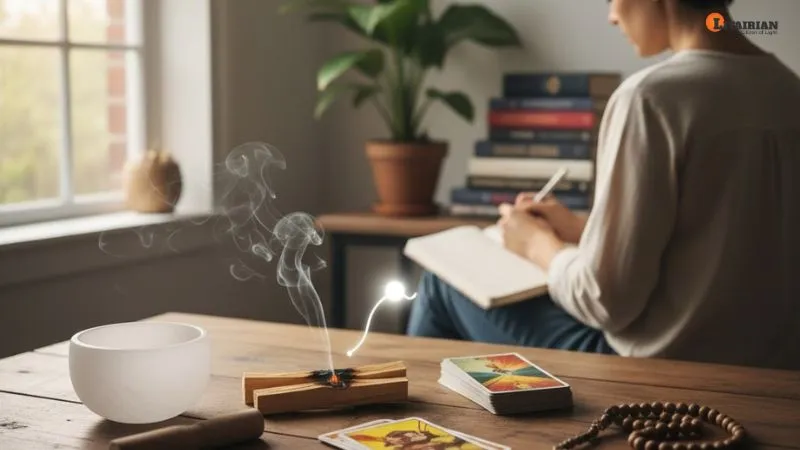
The idea of “being healthy” has shifted a lot in recent years. People don’t just want to avoid illness; they want to feel steady, centred, and capable of moving through their days without feeling drained. A balanced state of health now includes emotional clarity, mental calm, and a body that holds up under pressure. That’s why so many people are blending spiritual practices with the practical routines that keep the physical body in good shape. One supports the inner world, the other maintains the structure that inner peace needs to stay grounded.
Stress Shows Up in Small, Unexpected Ways
Most stress appears slowly as a stiff neck that won’t soften, restless legs at night, or sometimes that feeling of being slightly out of rhythm with the day. Even a simple moment of irritability over something small can be a clue. These signs often slip under the radar because they blend into daily life, but they still influence how the body responds to everything, from digestion to energy to immunity.
Pausing for a minute during the day can reveal what’s been building. Sometimes you notice how shallow the breathing has been or how tense the jaw feels. These little realisations help people understand just how much the body absorbs before anyone decides to slow down.
Spiritual Tools Offer Real Relief, but Basics Shape the Outcome
Chanting, visualisation, grounding affirmations, meditation, and mudras all help to remove brain fog and establish emotional stability. They are beneficial for calming the mind, particularly during hectic routines. However, if the physical body isn’t sustained, spiritual instruments are limited in their effectiveness.
The ideal setting for spiritual work is achieved by regular sleep, drinking enough water, nutrient-dense meals, mild exercise, and good nervous system function. Without these fundamentals, concentration fails, the mind wanders, and settling in becomes more of a battle than a ritual. Spiritual activities serve to improve the tone that is set by the physical body.
The Body Always Gives a Heads-Up
It’s pretty rare for a major issue to appear without warning. The body usually hints first. That headache that shows up every other day. The sudden drop in stamina. Muscles that stay tight no matter how many stretches you do. Even a little discomfort in the jaw or gums can be an early sign that something’s off.
When you take a moment to breathe slowly or do a quick body check, you start catching these things earlier. And that’s usually when you can decide what you actually need. Maybe you just need rest. Maybe you need more nourishment. Or maybe it’s time to talk to someone who knows the physical side better. Gum or jaw discomfort, for example, is something a periodontist can look at more clearly, and it’s definitely not something meditation alone will untangle.
The Wellness Space Is Becoming More Connected and Less Divided
It wasn’t long ago that spiritual wellness and medical care felt like two completely separate worlds. Now, they’re being recognised as complementary. Many major health organisations acknowledge the link between emotional health and physical outcomes. Breathing work influences stress hormones. Sleep shapes memory and immunity. Tension affects how pain is perceived in the body. Meanwhile, spiritual grounding and meditation continue to help people handle emotional strain more gracefully.
This blending of approaches is no longer a trend; it’s becoming normal. People want methods that respect the emotional, mental, and physical layers that make up their daily experience, not rigid systems that look at only one part.
Routines Don’t Have to Be Grand to Be Effective
The habits that support long-term wellness often look simple from the outside:
- A brief grounding moment before the day gets busy
- Light stretching that wakes up the nerves and muscles
- Meals chosen for clarity and steady energy, not just convenience
- A breathing pause when thoughts start to feel crowded
- A calming practice to close the evening
- Professional input when something doesn’t improve after a reasonable amount of time
These routines add up. They build the kind of consistency that the nervous system responds to. Over time, they create a stable base for spiritual practices to deepen.
A Realistic, Balanced Way Forward
Selecting one tool and disregarding the others is not holistic wellness. It’s about realising that physical strength, spiritual stability, and emotional stability all complement one another. The outcome is more than just “feeling better” when spiritual practice helps calm the inner world, and practical care preserves the body in good working order. It’s feeling more capable, more in tune with life’s beat, and more balanced.
This combination provides a lifestyle that is manageable rather than overpowering. A course that adapts to the highs and lows of life rather than resisting them.