Key Signs That You Need Addiction Rehab
- Your Body Starts Betraying You
- The Person You Were Starts Disappearing
- When to Go to Rehab: The Clock is Ticking
- Should I Go to Rehab? The Internal Audit
- Do I Need Rehab? Measuring the Gap Between Intent and Reality
- Benefits of a Rehab Program: What Actually Happens
- The Decision Point: Stop Researching, Start Acting
Most people know something’s wrong long before they admit it out loud. Drug rehab becomes necessary when the substances that once felt like solutions start creating bigger problems than they solve. The question shifts from “Am I having fun?” to “Can I stop?”
Your Body Starts Betraying You
Addiction rewrites your body’s operating manual, and the symptoms show up in ways you might not expect. Your hands shake during morning meetings. Your stomach churns when you wake up. These aren’t character flaws—they’re biological red flags.
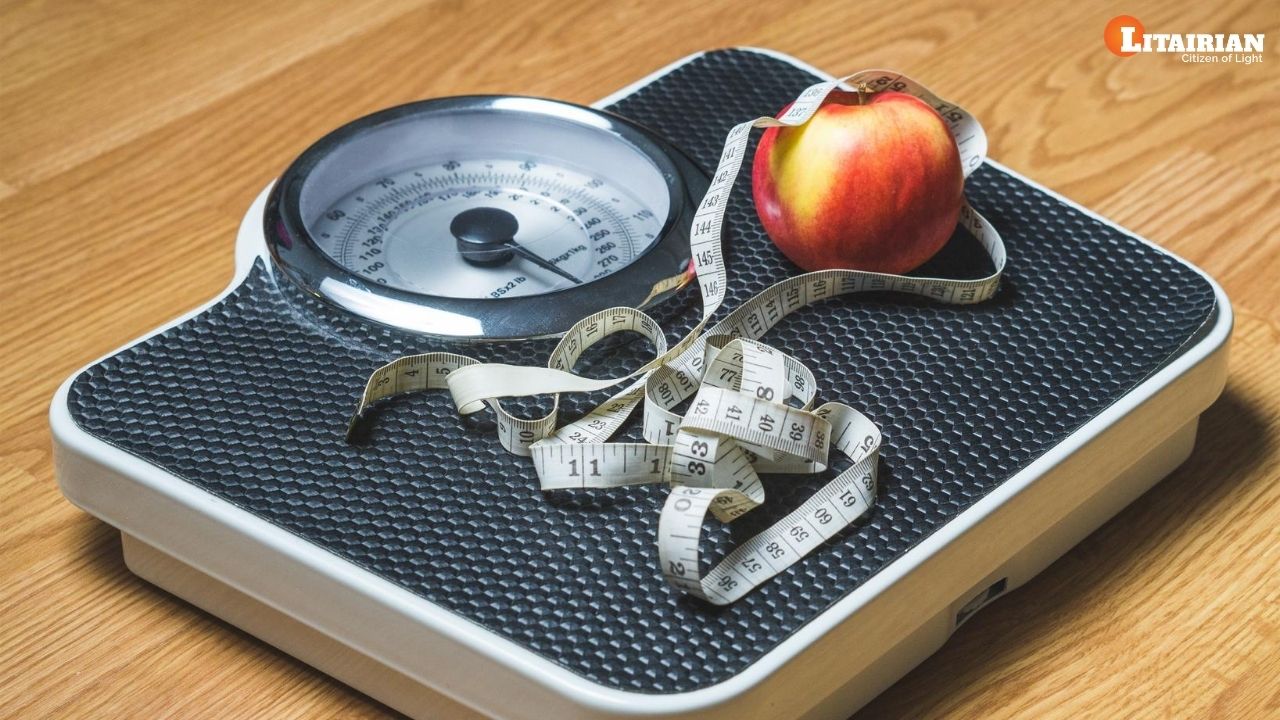
The Scale Tells a Different Story
Your clothes hang loose or strain at the seams without any intentional diet changes. Cocaine users often drop weight rapidly while their cheekbones become sharp angles. Beer drinkers develop bloated bellies that seem to appear overnight. Your body composition changes because addiction hijacks your appetite and metabolism.
Sleep Becomes Your Enemy
Three AM finds you staring at the ceiling, mind racing despite exhaustion. Or maybe you crash for 14 hours straight and still wake up feeling drained. Substances mess with adenosine, melatonin, and other chemicals that regulate rest. Poor sleep feeds cravings, and cravings destroy sleep, a vicious biological loop.
Your Immune System Waves White Flags
Every cold lingers for weeks. Cuts take forever to heal. You catch whatever bug is going around the office. Chronic substance use depletes your body’s resources, leaving you vulnerable to infections that healthy people shake off easily.
The Person You Were Starts Disappearing
Addiction doesn’t announce itself with dramatic declarations. Instead, it quietly erases pieces of your personality until friends start asking, “What happened to you?”
People Stop Inviting You Places
Birthday parties happen without you. Group chats go quiet when you’re added. Family dinners get scheduled around your absence. Others sense your priorities have shifted even when you haven’t said anything directly.
Your Professional Mask Starts Slipping
Deadlines become suggestions. Important emails sit unanswered. Coworkers cover for you more frequently. The promotion you wanted goes to someone else. Work performance often deteriorates gradually, then suddenly.
Lies Become Your Default Language
“Traffic was terrible” when you were actually getting high. “I’m coming down with something” when you’re hungover. “My phone died” when you were avoiding responsibilities. Deception becomes automatic, even for minor situations.
When to Go to Rehab: The Clock is Ticking
Addiction operates on its own timeline, and waiting for the “perfect moment” often means waiting too long. Certain situations create windows of opportunity that won’t stay open forever.
Medical Scares Force Hard Conversations
Emergency room visits, abnormal blood tests, or doctors expressing concern about your liver function create undeniable wake-up calls. Your body is sending urgent messages that can’t be ignored or rationalized away.
Legal Problems Narrow Your Options
DUI arrests, possession charges, or court-ordered evaluations eliminate the luxury of denial. Legal consequences often provide external motivation when internal motivation fails.
Your Tolerance Becomes Expensive and Dangerous
What used to get you high barely registers now. Your monthly substance budget rivals your rent payment. Higher tolerance means higher risk—your body can’t keep up with the escalating demands you’re placing on it.
Should I Go to Rehab? The Internal Audit
Skip the online quizzes and generic checklists. These questions cut through the noise and get to the heart of your situation.
The Control Test
- Can you have just one drink, or does one become ten?
- Do you finish entire supplies when you meant to save some for later?
- Have you broken promises to yourself about limiting use?
The Priority Check
- Do you plan social events around substance availability?
- Have you chosen getting high over important commitments?
- Does running out of your substance create genuine panic?
The Consequence Calculation
- Are you using despite knowing the risks to your health?
- Do you continue even though relationships are suffering?
- Has your usage escalated despite negative outcomes?
Do I Need Rehab? Measuring the Gap Between Intent and Reality
The space between wanting to quit and actually quitting reveals everything. Some people can bridge this gap alone; others need professional support to cross it safely.
Previous Attempts Tell the Story
Failed quit attempts aren’t moral failures—they’re data points. Multiple unsuccessful tries indicate you need different tools, stronger support systems, or medical intervention to succeed.
Withdrawal Symptoms Require Medical Attention
Alcohol and benzodiazepine withdrawal can kill you. Opiate withdrawal feels like dying. Stimulant withdrawal triggers severe depression. Certain substances require medical supervision during detox to prevent serious complications.
Mental Health Layers Complicate Recovery
Trauma survivors often self-medicate with substances. Depression and anxiety frequently co-occur with addiction. Attempting to address addiction without treating underlying mental health conditions usually fails.
Benefits of a Rehab Program: What Actually Happens
Rehab facilities get portrayed as either luxury resorts or prison-like institutions. Reality falls somewhere between these extremes, focused on practical healing rather than punishment or pampering.
Medical Safety During Detox
Trained staff monitor your vital signs, administer medications to ease withdrawal symptoms, and intervene if complications arise. This medical oversight allows your body to reset without dangerous consequences.
Learning New Coping Mechanisms
Therapy sessions teach specific techniques for managing cravings, handling stress, and communicating needs without substances. These aren’t abstract concepts—they’re practical skills you’ll use daily after discharge.
Peer Connections That Outlast Treatment
Other patients understand your struggles without judgment. These relationships often become long-term support networks, providing accountability and encouragement during difficult moments in recovery.
Structure Rebuilds Healthy Habits
Regular meal times, scheduled activities, and consistent sleep schedules help restore normal rhythms. This structure provides a template for organizing your life after treatment ends.
The Decision Point: Stop Researching, Start Acting
Analysis paralysis keeps many people stuck in addiction longer than necessary. Perfect treatment doesn’t exist, but effective treatment is widely available.
Call treatment centers directly to discuss your specific situation. Most facilities offer free assessments to help determine appropriate levels of care. Insurance coverage varies, but many policies include benefits for addiction treatment.
Addiction thrives on delay and excuse-making. Every day you postpone treatment is another day substances continue damaging your body, relationships, and future opportunities. The best time to get help was yesterday. The second-best time is right now.