
Physical Therapy for Seniors: Benefits, Exercises, and Care
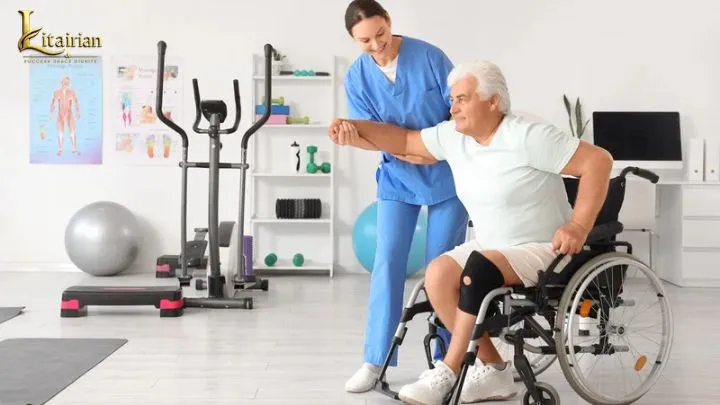
Physical therapy can help older adults move better, build strength, improve balance, and stay independent. Physical therapy for seniors can also address pain, weakness, recovery after surgery, and limitations caused by chronic conditions.
A therapist checks each person’s abilities and creates exercises around clear daily goals. These goals may include walking, climbing stairs, or safely standing up from a chair.
Key Takeaways
- Physical therapy can help older adults improve strength, balance, mobility, and independence in daily life.
- Treatment may reduce pain, support recovery after surgery or illness, and help manage chronic or neurological conditions.
- Fall prevention often includes balance training, leg strengthening, gait work, home safety changes, and assistive devices when needed.
- Care can take place in a clinic or at home, with exercises and goals based on the person’s health, abilities, and daily needs.
What Is Physical Therapy for Seniors?
Geriatric physical therapy focuses on movement problems that often become more common with age. Treatment may address muscle weakness, poor balance, stiff joints, low endurance, or difficulty with daily tasks.
Physical therapy for elderly patients is usually based on their health history, current ability, medications, and personal goals.
Physical therapy for older adults focuses on rehabilitation tailored to their mobility, strength, balance, and daily needs. Geriatric therapy includes much more than exercise. A therapist may check walking, strength, flexibility, balance, coordination, and common daily movements. These results help shape a personal treatment plan.
What Are the Benefits of Physical Therapy for Seniors?
The benefits of physical therapy for seniors often focus on safer movement and greater independence. A structured program can help people regain strength after illness, injury, surgery, or long periods of inactivity. Physical therapy offers exercises that can change as a person’s strength and movement improve.
Common therapy goals include:
- Improve mobility when walking, standing, and changing positions.
- Reduce pain caused by joint, muscle, or movement problems.
- Build strength and endurance for daily tasks.
- Improve balance and body control.
- Help older adults stay active more safely.
Better movement can make dressing, shopping, cooking, and moving around the home easier. Results depend on the person’s condition, starting ability, overall health, and participation in therapy. Therapists usually track progress by measuring changes in strength, movement, and daily function.
How Physical Therapy Can Help Prevent Falls
Falls prevention is a key part of care for many older adults. Poor balance, vision changes, weak muscles, medications, and home hazards may all raise the risk of falling.
A therapist can identify which problems affect a person’s stability and choose exercises to address them. Stronger legs and better balance may help prevent falls during common daily tasks.
A fall prevention program may include:
- Balance exercises with safe support.
- Lower-body strength exercises.
- Walking and gait training.
- Practice standing up from chairs or beds.
- Guidance on assistive devices when needed.
Therapists may also suggest changes such as better lighting or removing loose rugs. These simple steps can make movement around the home safer. These changes, combined with physical therapy, can provide additional physical support for seniors who want to remain independent.
Conditions That May Benefit From Geriatric Physical Therapy
Older adults may need therapy for joint, muscle, nerve, or age-related movement problems. Osteoarthritis, fractures, back pain, osteoporosis, Parkinson’s disease, and multiple sclerosis can affect walking, balance, or strength. Therapy may also help during recovery after a joint replacement or hospital stay.
Physical therapists can help people manage chronic conditions that make movement or exercise harder. In some cases, treatment aims to maintain function rather than eliminate every symptom. This approach may help a person stay active while working within safe medical limits.
What Happens During a Physical Therapy Session?
A first physical therapy session often starts with a review of symptoms, health history, daily limits, and goals. The therapist may check strength, joint movement, balance, posture, walking, and basic movement patterns. These findings help the therapist choose safe and useful exercises.
A therapy program may include:
- Strength and resistance exercises.
- Balance and coordination training.
- Stretching and mobility work.
- Walking or gait training.
- Exercises based on daily tasks.
The therapist can change the exercises as the patient improves or as symptoms change. Physical therapy services should fit the person’s condition, ability, and goals. The same program will not work for every older adult.
Can Seniors Receive Physical Therapy at Home?
Home physical therapy for seniors may help when travel is difficult because of illness, weakness, surgery, or limited movement. Home care can focus on the activities a person needs to complete each day. This may include using stairs, getting into bed, walking between rooms, or safely using mobility aids.
Older adults looking for personalized rehabilitation services in New York City can consider InTouch NYC PT for professional physical therapy care. The best setting depends on medical needs, mobility, insurance coverage, and treatment goals. Some patients may still need clinic-based equipment or services.
Home care can also help a therapist see real safety concerns inside the living space. Home physical therapy for seniors at risk of falling can help identify hazards and improve safety during everyday activities. A therapist may review walking paths, furniture placement, stairs, and other areas that affect safe movement.
Physical Therapy and Independent Living
Living independently requires more than strong muscles. Balance, endurance, coordination, confidence, and mental health can all affect a person’s ability to complete daily tasks. Therapy can work on these areas through goals that match the person’s normal routine.
A goal may involve walking to the mailbox, preparing food, getting into a car, or standing during household tasks. Therapists measure progress based on improvements in daily function rather than age alone. They can update exercises as the person’s skills improve or new problems develop.
When Should an Older Adult See a Physical Therapist?
An evaluation may help when an older adult develops trouble walking, repeated balance problems, pain, weakness, or lower activity levels. Physical therapy may also help when daily tasks become harder than before. Providers often recommend treatment after injury, surgery, hospitalization, or a clear loss of mobility.
A healthcare professional can help determine whether physical therapy is right when symptoms may stem from a medical condition. Early care may address movement problems before they further limit daily life. The main goals are to improve mobility, reduce pain, maintain safe activity, and protect independence.