
A Guide To The Various Types Of Health Care Services At Home
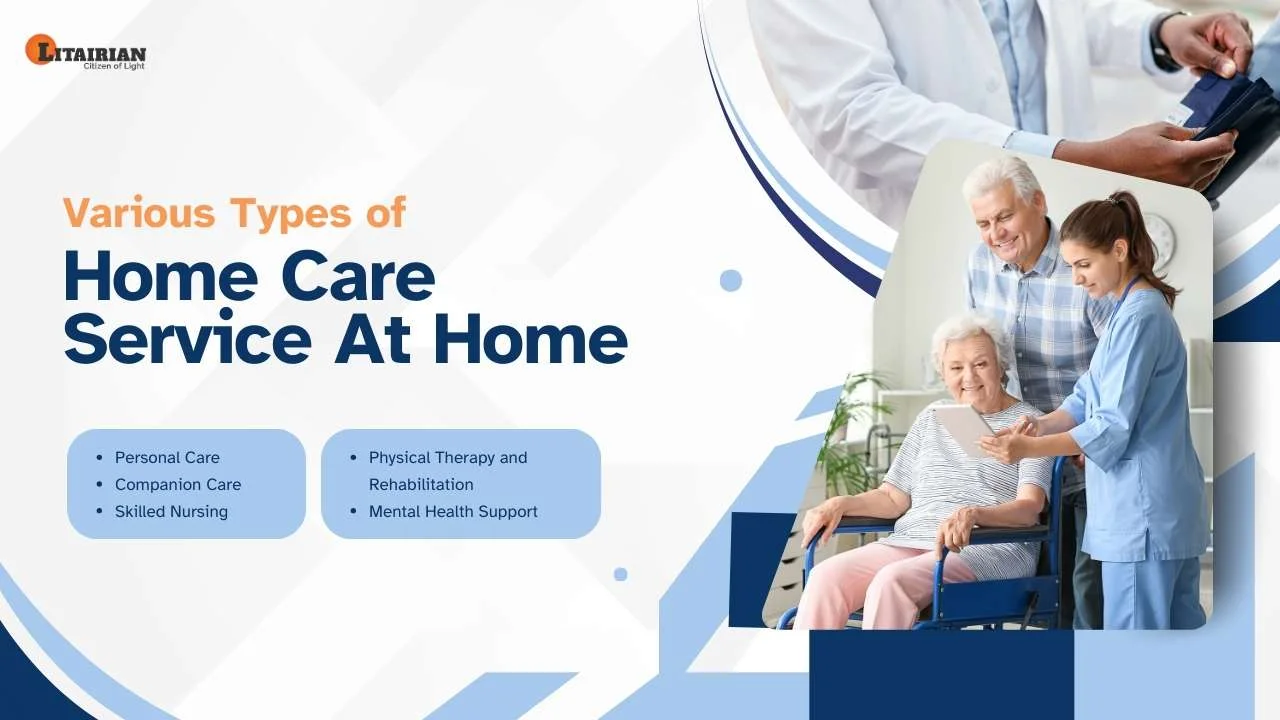
Home care services offer essential support for people who wish to remain in their own homes while receiving assistance. They serve seniors, individuals with disabilities, those recovering from illness, and anyone needing help with daily activities. Families can choose the type and level of caring services that best fit their loved one’s needs, ensuring safety and comfort at home.
A key advantage of home care is its personalized approach. Unlike institutional care with rigid routines, it adapts to each person’s schedule, preferences, and health needs. Services can range from medical attention to household support, creating an environment that encourages independence. Understanding these options helps families make informed care decisions.
Types of Home Care Services
Home care is a collection of caring services designed to meet a variety of needs, ranging from personal assistance to skilled medical care and household management. Families can combine different types of support to create a comprehensive plan that ensures the right help at the right time. Choosing the right service prevents unnecessary costs and delivers proper care, whether it’s recovery after surgery or companionship for a senior living alone.
Below are the key types of home care services available to meet different situations.
1. Personal Care
Personal care focuses on assisting with daily living activities such as bathing, grooming, dressing, and toileting. It also includes help with mobility, meal preparation, and medication reminders. This service is particularly important for people who can live independently but require some assistance to stay safe and comfortable. Trained aides deliver this support with respect and compassion.
By helping clients maintain personal hygiene and independence, personal care services play a key role in overall well-being. They reduce the risk of falls, infections, and other health complications. Whether on a short-term or long-term basis, personal care offers peace of mind for both clients and their families. It ensures that essential needs are met without compromising dignity.
2. Companion Care
Companion care addresses emotional and social needs by offering friendly company and conversation. Caregivers may play games, read books, accompany clients to appointments, or simply spend time together. This service is vital for seniors or individuals who live alone and may feel isolated. Social interaction helps maintain mental health and prevents depression.
In addition to companionship, these caregivers often assist with light chores such as cooking, laundry, and grocery shopping. They help create a supportive and enjoyable daily routine. While companion care is non-medical, it has a powerful impact on happiness and emotional stability. It ensures that clients feel valued and connected to the world around them.
3. Skilled Nursing
Skilled nursing provides professional medical care at home, delivered by licensed nurses. Services may include wound dressing, IV therapy, vital sign monitoring, and medication administration. It is often needed after hospitalization or for chronic conditions requiring expert attention. The aim is to offer hospital-level care in a comfortable home environment.
This type of care reduces the need for frequent hospital visits, saving time and stress for patients and their families. A home nurse also educates family members on disease management, medication schedules, and healthy lifestyle practices. Skilled nursing is a bridge between hospital care and independent living, ensuring safety during recovery or ongoing illness.
4. Therapy Services
Therapy services cover physical, occupational, and speech therapy delivered at home. Physical therapy helps restore mobility and strength after injury or surgery. Occupational therapy focuses on skills needed for daily living, such as dressing, cooking, and using adaptive equipment. Speech therapy addresses communication and swallowing issues.
Receiving therapy in a familiar home environment can speed recovery and improve outcomes. Therapists create personalized programs tailored to each patient’s abilities and goals. They also provide guidance to family members, enabling them to assist effectively. This approach supports both physical and emotional recovery, helping clients regain independence.
5. Respite Care
Respite care offers temporary relief to primary caregivers, allowing them to rest, travel, or handle personal matters. Professional caregivers take over responsibilities for a set period, ensuring the client’s needs are met without interruption. This service can last from a few hours to several days or weeks. It is essential for preventing caregiver burnout.
By stepping in when needed, respite caregivers maintain consistent routines and provide high-quality care. This benefits both the caregiver and the client, as the primary caregiver can return refreshed and more capable. Respite care ensures that the person receiving care is never left unsupported, even when regular caregivers are unavailable.
6. Alzheimer’s/Dementia Care
Alzheimer’s and dementia care focuses on supporting individuals with memory loss and cognitive decline. Caregivers use specialized techniques to manage symptoms like confusion, wandering, and mood changes. They also create safe environments and establish consistent routines, which help reduce anxiety for the client.
These caregivers are trained to handle the unique emotional and behavioral challenges of dementia. They engage clients in memory-enhancing activities and maintain patience in communication. This type of care ensures dignity and quality of life, while also providing relief to families coping with the demands of the condition.
7. Palliative Care
Palliative care is designed to improve the quality of life for those with serious or terminal illnesses. It focuses on pain management, emotional support, and relief from symptoms, rather than curing the disease. This type of care can be provided alongside medical treatments aimed at recovery.
A team approach is often used, involving doctors, nurses, and social workers working together. They address not only physical symptoms but also emotional, social, and spiritual needs. Palliative care supports both the patient and their family, ensuring comfort and dignity during challenging times.
8. Live-In Care
Live-in care provides continuous, round-the-clock assistance for individuals who need constant supervision. A caregiver lives in the home, helping with personal care, medication, mobility, and daily activities. This service offers peace of mind, knowing someone is always there to help in emergencies.
Live-in caregivers become familiar with the client’s habits and preferences, creating a personalized care experience. It is ideal for people with advanced illnesses, disabilities, or significant mobility issues. Families benefit from the stability and reassurance that comes from having a trusted caregiver always present.
9. Cleaning Services
Cleaning services keep the home safe and hygienic by handling tasks such as vacuuming, dusting, laundry, and dishwashing. They also sanitize bathrooms and kitchens to prevent illness. A tidy home environment contributes to better physical health and mental well-being for clients.
These services are especially important for individuals with mobility limitations or chronic illnesses. By removing clutter and hazards, cleaning services reduce the risk of falls and accidents. They can be combined with other home care options to create a complete care plan that addresses both health and comfort.
10. Post-Surgical Care
Post-surgical care supports recovery after medical procedures, ensuring patients heal safely at home. Caregivers help with wound care, medication schedules, mobility, and following doctors’ instructions. Monitoring for signs of complications is a key part of this service.
Recovering at home offers comfort, but it requires professional oversight to avoid setbacks. Post-surgical care gives patients the confidence to heal while avoiding unnecessary hospital readmissions. It ensures that recovery is smooth, safe, and supported every step of the way.
All Together in One Spot
Many families prefer a single provider where all needed home care services can be found in one place. Association Home Care offers a wide range of options, including personal care, skilled nursing, therapy, dementia care, and more. This makes it simple for families to explore different services without searching multiple providers. Having everything under one roof saves time and reduces stress.
By keeping all services available in one location, Association Home Care ensures consistency and smoother coordination. Families benefit from dealing with a single, trusted source for their loved one’s needs. This approach streamlines communication and provides confidence that help is always close at hand.
Final Statement
Home care services provide essential support for those wishing to remain at home while receiving the assistance they need. From companionship to skilled nursing, each type of service addresses different challenges and goals. Understanding these caring services makes it easier to choose the right care plan.
Whether you need short-term help after surgery or long-term dementia care, home care offers flexible, compassionate solutions. The focus is always on maintaining comfort, dignity, and independence. With the right support, clients can enjoy a better quality of life in the place they know best.